Farm: Various farms
Processing: Washed and dried
Altitude: 1500 to 1600 meters above sea level
Owner: 37 farmers from the Marcala region
City: Various cities
Region: Marcala
Country: Honduras
Farm size: Average 5.8 hectares per farm

Additional information:
Honduras is on the verge of becoming a major force in coffee exports - and some might argue that the country already is! Over the past 25 years, the country has risen (as of 2016) to become the third-largest producer in Latin America. More is expected to be achieved, as coffee is hailed as a tool for economic development. The vast majority of the country's producers are smallholders (70% of farms are less than 2 hectares), and as such.
This project started in 2015/2016 with only 10 producers but quickly grew to 37 producers from all over the municipality. The participation requirements are strict: producers must have the "right varieties" that are already under cultivation, their farms must be at the "right altitude" at 1500 meters above sea level, they must all be Utz or Rainforest Alliance certified, and they must demonstrate improvement in their production. In exchange for adhering to strict production and harvesting guidelines, they receive significantly better prices for their ripe cherries, as well as agricultural support - which helps them increase future productivity!
Most participants are not old farmers but new young farmers who are open to change and flexible in their approach. All farmers - young or old - demonstrate adaptability and responsiveness that lends itself to future planning regarding quality.
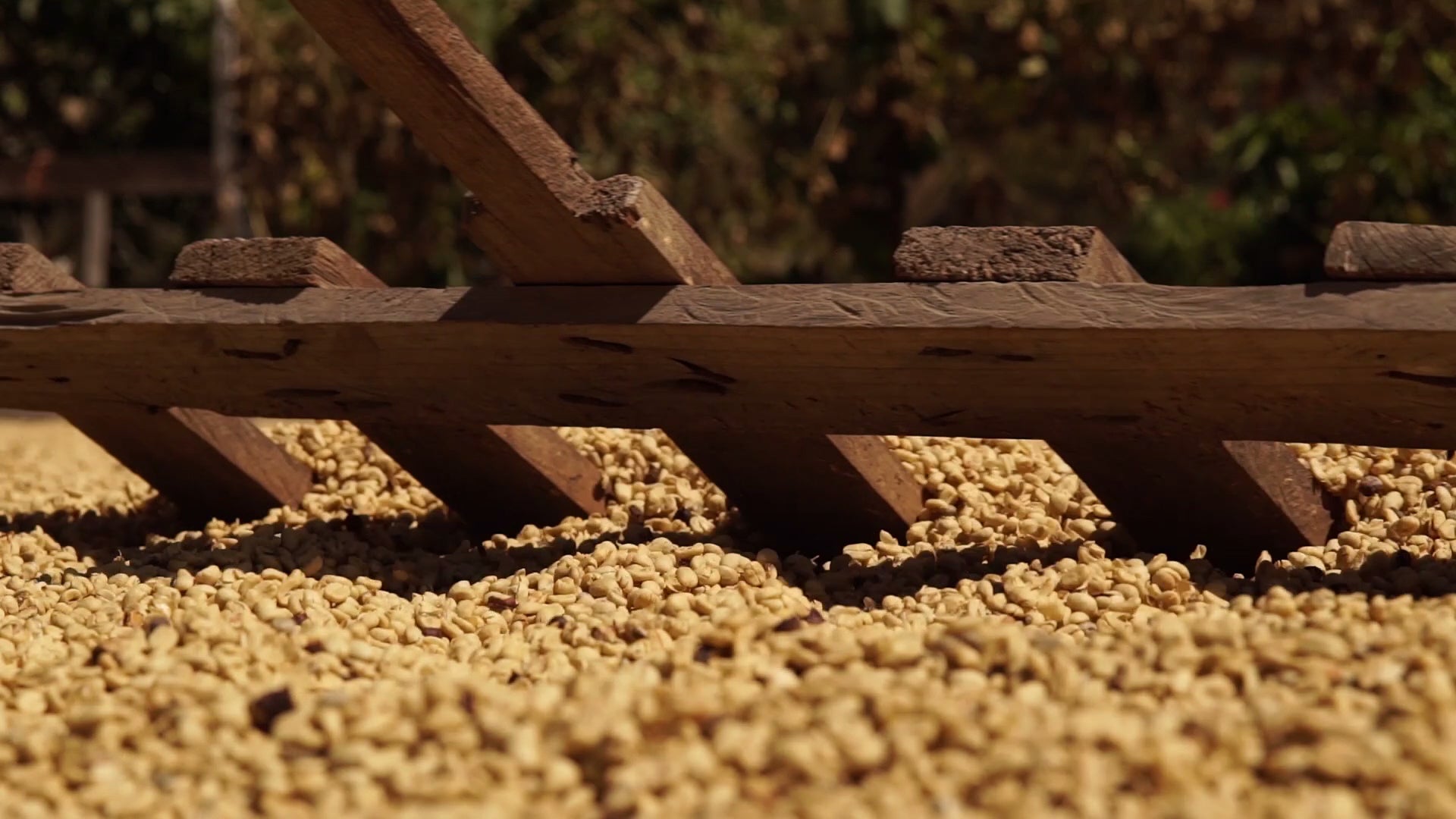
Harvesting and Processing
The mill boasts two separation stations, and all participating producers deliver cherries to Ecomill, which has a capacity of 1000 quintals per day and is dedicated for most of the season entirely to achieving the highest quality. Coffee is always transported to the wet mill on the same day it is picked.
Once it arrives, the coffee is immediately sorted, removing rotten and unripe beans. It is then fermented for 8 to 12 hours until the mucilage is completely drained. After that, the coffee is washed in clean water.
The coffee rests for an hour or two to remove excess water and is then delivered to the drying patios, where it will dry for 15 to 20 days. The coffee then rests and is stored in the wet mill warehouse until it is ready for export.