Coffee is a beverage that combines art and science, where its unique flavor is made up of several integrated elements that make the tasting experience distinctive and high-quality. In this article, we will learn about the most important parts of coffee description that help you understand its flavors accurately before the first sip. We will discuss together the body, overall taste, acidity, roast level, region and origin, mouthfeel, aftertaste, as well as the various aromas that include fragrance, aroma, and flavor.
Understanding these elements can add a new dimension to your coffee experience, enabling you to choose the right types that match your personal taste or add a distinctive touch to your cafe's beverage menu. Learn with us about these important parts to be able to describe coffee professionally and enjoy its unique taste in every cup.

Table of Contents
1. Body
Body is "the weight of the coffee in the mouth." Is the cup light? Medium? Heavy?
Think of it like milk versus water: both are liquids, but the sensation is completely different.
How do you feel it?
Light → easy, quick, doesn't linger in the mouth
Medium → balanced and comforting
Heavy → full, velvety, gives a sense of weight on the tongue
The importance of body in coffee description
Body is one of the most important characteristics that define the coffee drinking experience, as it greatly affects how you enjoy coffee. The body of the coffee can be an indicator of the coffee's quality and how it was prepared, and it gives a first impression of the overall taste of the coffee. High-quality body makes coffee more enjoyable and enhances the natural flavors present in the coffee.
How do coffee types and high-quality coffee affect the body?
Different coffee types, such as Arabic coffee, espresso, and specialty coffee, offer a diverse body that can be light or heavy depending on the roasting method and preparation method. High-quality coffee usually has a rich and distinctive body, which makes the drinking experience more unique.
Adding body to coffee description
When describing coffee, it is important to mention the body as part of the comprehensive coffee description, as this helps clarify the drinking experience for consumers or customers. Body is one of many elements of coffee description that include taste, acidity, flavors, and aromas, to provide a complete picture of the coffee you offer.
2. Taste
Taste is the complete picture that brings all the elements together, and it is the primary factor that determines how much you enjoy coffee. When tasting coffee, you can notice whether the taste is sweet, tends towards fruity flavors, contains spices, or resembles chocolate. These components create a unique and integrated experience for each cup.
Is the taste sweet?
Does it lean towards fruits like berries or apples?
Does it contain warm spices like cinnamon or nutmeg?
Does it resemble the taste of rich chocolate or cocoa?
Taste gives a general and comprehensive impression of the cup of coffee, and forms the basis for accurately describing coffee. By understanding the taste, you can distinguish between different types of coffee and choose the most suitable for your taste. The taste is influenced by the quality of the coffee, the roasting method, and the region where the coffee beans were grown, making each cup a unique experience in the world of coffee.
3. Acidity
The most important element that distinguishes specialty coffee from ordinary coffee.
Acidity is not "bitterness" — it is refreshment and a distinct fruity flavor like:
Orange
Berries
Apple
Lemon
Cherry
How do you feel it?
Imagine the feeling of the first sip of fresh orange juice... refreshment + bright flavors.
Acidity levels:
Light: chocolate + nut flavors
Medium: caramel + light fruits
High: distinct citrus fruits
Acidity adds vibrancy to coffee and highlights its flavors, and it is an important factor in accurately describing coffee. High-quality coffee is characterized by balanced acidity that enhances the drinking experience and shows the differences between various coffee types.
Adding acidity in coffee description
When describing coffee, it is essential to mention acidity because it helps clarify the flavor and identify your preferred coffee type or the one that suits your customers' taste in the cafe.
4. Roasting
Roasting is the stage where green coffee beans transform into the aromatic coffee we know and love. It is an art and a science that directly impacts the coffee's flavor, body, and aroma. Each roast level reveals a different aspect of the coffee's character, providing a unique experience with every cup.
Roast levels and their impact:
-
Light Roast:
- Retains the original natural flavors of the beans.
Clear and bright fruit and floral notes.
High acidity and vibrancy in taste.
Lighter body, making the coffee refreshing and full of detail.
-
Medium Roast:
Balance between acidity and bitterness.
Chocolate and caramel flavors emerge clearly.
Medium and comfortable body in the mouth.
Suitable for most preparation methods, especially espresso and filter.
-
Dark Roast:
Strong flavors and distinct bitterness.
Smoky aromas and a hint of dark cocoa.
Heavy and velvety body.
Ideal for lovers of strong and concentrated coffee.
Why is roast level important?
The roast level determines the entire character of the coffee, affecting every element of coffee description such as body, acidity, and even aroma. Choosing the right roast level can highlight the flavors you love or hide the flavors you don't prefer. Therefore, understanding roast levels helps you choose the perfect coffee that meets your taste or the taste of your customers.
Tip: When describing coffee, be sure to mention the roast level as it gives a clear impression of the coffee's taste and helps in choosing the appropriate coffee type, whether for espresso, drip coffee, or other beverages.
5. Region
The region gives coffee its "identity" and determines its primary flavors.
For example:
Ethiopia: Red fruity notes with hints of jasmine.
Kenya: Berries with high and refreshing acidity.
Brazil: Rich nutty and chocolate flavors.
Colombia: Caramel with sweet apple.
Yemen: Date and honey flavor with unique spices.
Understanding the region and source helps you choose high-quality coffee that suits your taste and preferences. The region reflects the diversity of types and flavors in the world of coffee, making the description of coffee more accurate and realistic.
6. Mouthfeel
Different from body.
The Mouthfeel is the texture you feel on your tongue while tasting coffee.
Examples:
Smooth = flowing and smooth
Silky = soft like silk
Creamy = creamy and slightly sticky
Juicy = fruity like fruit juice
Syrupy = viscous and sweet
It is an important part of coffee description because it adds a new dimension to the tasting experience and helps to understand how high-quality coffee differs from others. Mouthfeel can be new and interesting.
7. Aftertaste
Aftertaste is the flavor that lingers on your tongue after you've swallowed the coffee, and it's very important in coffee descriptions because it leaves a lasting impression in your mind. Does a chocolate flavor remain? Or lemon acidity? Or caramel sweetness? These flavors that persist after drinking coffee add a new dimension to the drinking experience and make you want more.
In cafes, aftertaste is especially important because it determines the memory of the cup, which is what makes a customer say: "I want to order from here again." Therefore, when describing coffee, don't just limit yourself to taste and body, but also add a description of what remains after the last sip to have a comprehensive and accurate coffee description.
This new sensation you notice after drinking can be a sign of high-quality coffee, as it highlights flavors and provides a unique, unforgettable experience. By including aftertaste descriptions in your beverage menu or when choosing coffee types, you'll be able to offer a new and distinctive experience to your customers or to yourself.
In short, aftertaste is something that shouldn't be ignored; it completes the coffee description and makes the drinking experience richer and more enjoyable.
8. Aroma / Fragrance / Flavor
Aromas and flavors in coffee are similar but differ in their timing and perception. First, fragrance is the scent you smell before brewing the coffee, the aroma of freshly ground beans that awakens the senses. While brewing coffee, as it begins to release steam, aroma emerges, which you perceive in the surrounding air – a blend of scents emanating from the hot coffee. Finally, when tasting the coffee, flavor appears, combining taste and aroma together in the mouth, giving the coffee its unique character.
A complete flavor cannot exist without aroma, as the nose complements the mouth's tasting experience. Therefore, when describing coffee, it is very important to add details about the aromas and flavors that give coffee its distinction, as high-quality coffee is filled with a diverse blend of flavors such as chocolate, nuts, fruits, and even spices.
How do these elements help you choose coffee without tasting it?
When you learn how to properly read and understand a coffee description, you can choose the coffee that suits your taste or your cafe's needs without having to taste it beforehand. This is especially important if you are buying expensive crops or want to offer a unique experience to your customers.
How can a coffee description help you?
Determine if the coffee suits your taste: By reading the description of body, acidity, flavors, and roast level, you can imagine what the coffee will taste like. For example, if you prefer coffee with a heavy body and rich flavors such as chocolate and nuts, you can choose beans with these specifications.
Choose the right beans for your beverage menu: If you have a beverage menu that includes espresso, latte, or cortado, understanding the coffee description helps you choose beans that bring out the best flavor in each of these drinks.
Reduce the risk of buying crops that don't suit you: Buying coffee based on its description reduces the likelihood of purchasing a type you don't like or that doesn't suit your customers' tastes, especially when prices are high.
Understand coffee descriptions professionally: This enables you to accurately communicate the coffee experience to your customers or use this description in marketing.
Choose high-quality coffee: as accurate descriptions reflect the quality of the coffee and the details of its flavors.
Gain greater confidence when purchasing: whether from local stores or online, because you will be able to evaluate the coffee based on its description and not just on brand or price.
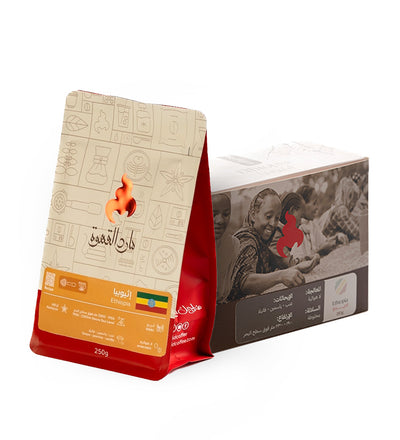
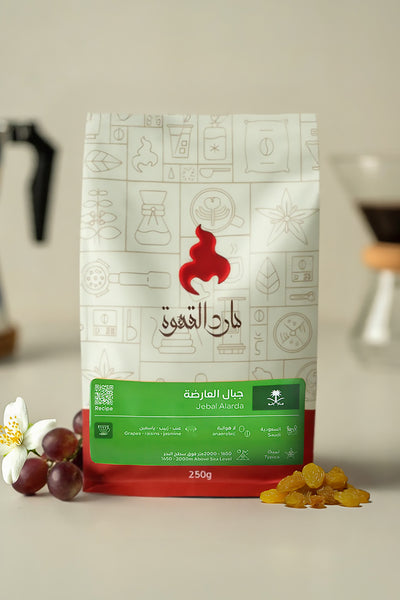
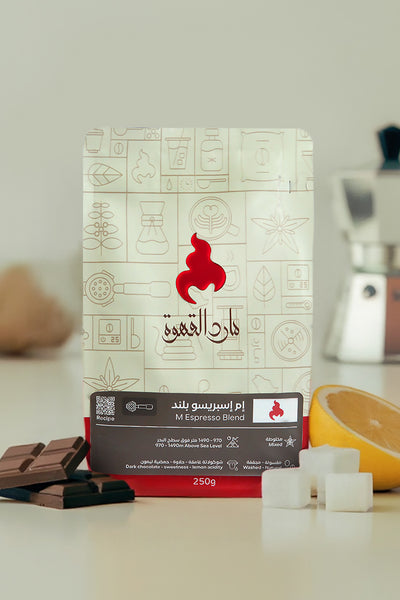
Examples of flavor descriptions using Mard's crops
1) Ethiopian — Light fruity flavors (example of a complete description)
Roast Level: Light
Region: Sidamo
Body: Light to Medium
Acidity: Bright, like lemon and berries
Mouthfeel: Juicy
Aroma: Jasmine and strawberry
Overall Flavor: Soft fruity notes
Aftertaste: Light honey-like sweetness
Description: Clear fruity flavors, ideal for filtered coffee and fruit flavor lovers.
2) Brazil — A blend of chocolate and nuts (for espresso)
Roast Level: Medium
Body: Heavy and velvety
Acidity: Low
Flavors: Chocolate, almond, and hints of caramel
Mouthfeel: Velvety and smooth
Aftertaste: Dark chocolate
Description: A stable and ideal choice for milk-based drinks, making it a reliable choice for cafes.
3) Colombia — Perfect balance
Roast Level: Medium to light
Body: Medium
Acidity: Noticeable but soft
Notes: Red apple with hints of caramel
Mouthfeel: Smooth
Aftertaste: Long-lasting sweetness
Description: Ideal for those seeking a balance between fruitiness and moderate flavor.
If you understand the elements of coffee description, you can:
Anticipate the taste before tasting
Choose the right beans for your taste or your coffee shop
Use the label as a constant reference
Confidently explain the quality of the beans to your customer
Confidently explain the quality of the beans to your customer
Don't forget to visit our channel on YouTube for more educational and enjoyable videos about coffee, where we share tips, recipes, and tasting experiences to help you explore the world of coffee more deeply and professionally.